























The Royal College of Physicians (RCP) is a membership organisation and registered charity, established by Royal Charter in 1518 and incorporated by an Act of Parliament. Our charitable purpose is to improve health and healthcare for the public benefit.
We achieve this by advocating for physicians and supporting high standards in medical training, clinical practice and patient care, both in the UK and internationally.
Scroll down for more information on our governance structure, leadership responsibilities, key meetings, documents, and our annual reports.
Our governance structure is focused on accountability, transparency and alignment with our charitable purpose.
Board of Trustees
The Board of Trustees is the RCP’s principal governing body. Its key meeting schedule is quarterly. The Board is responsible for:
- overseeing the RCP’s strategic direction and business plan
- ensuring effective management and administration
- upholding the RCP’s charitable responsibilities.
Board trustee membership includes:
- an independent chair
- five senior officers – the president, registrar, treasurer and two vice presidents on rotation
- three members nominated by Council
- independent members appointed by the Board (up to six).
The Board delegates some of its powers to the:
- Audit and Risk Committee (ARC)
- Finance and Resources Board (F&RB).
Council
RCP Council meets six times a year and is responsible for:
- developing policy on professional and clinical matters
- approving key RCP statements, publications and election arrangements
- addressing current issues affecting medical standards and practice.
Council membership includes senior officers, elected representatives and other representatives involved in the RCP's work. The independent trustees are invited to attend Council meetings to ensure an effective relationship with the Board.
Council is chaired by the president and plays the leading role in shaping the RCP’s voice on healthcare policy and standards. It is supported by the Medical Specialties Board (MSB) which includes representatives from each medical specialty.
Council meetings – dates, agendas, minutesCommittees
The Board and Council are further supported by a range of advisory sub-committees. These groups ensure that expert voices guide our work.
Boards and committee - RCP governance structureSenior officers
RCP senior officers are elected or appointed through open processes and serve as trustees (vice presidents on rotation).
Meet the senior officersChief officers group
Day-to-day operations are led by the Chief Executive who is accountable to the Board of Trustees and supported by a team of chief officers.
Chief officers groupGeneral meetings of fellows (also known as Comitia)
General meetings are important for the RCP’s democratic processes and ensure that fellows have a voice in the college’s leadership and direction. They include the annual general meeting (AGM), special general meetings (held annually to elect a president on a set date as required by section 6 of the Medical Act 1860) and extraordinary general meetings.
General meetingsThe King’s Fund learning review
The King’s Fund review was commissioned by the RCP following an extraordinary general meeting (EGM) on the role of physician associates (PAs) in March 2024. The report set out recommendations on improving leadership, management and culture, and structure and processes at the college, including a governance review that considers Board effectiveness, college byelaws and how RCP Council operates.
To deliver on these recommendations, the RCP developed a response plan with 14 actions. A key action, an external governance review, was commissioned in June 2025.
Our response and 2025 outcome report on TKF learning reviewGood Governance Institute external review
The Good Governance Institute (GGi) was commissioned by the Board of trustees to focus on the effectiveness of the board and trustees, the relationship with RCP council, governance structures, and strategic alignment of the board and council, to complement the work already underway on constitutional reform.
The review is aimed at providing the college with a series of objective and practical recommendations to help inform the organisation’s governance in the coming years.
Find out moreKey governance documents
The RCP’s governance is underpinned by a set of core documents that define its legal status, structure and decision-making processes:
- Royal Charter: Establishes the RCP in 1518.
- Medical Acts: The Charter was affirmed by an Act of Parliament in 1523 with later Acts also relating to the RCP – notably the Medical Act 1860.
- Bye-laws: Rules for how the RCP operates, including membership, elections, meetings and powers of officers.
- Standing Orders of the Board of Trustees: Defines the role, remit and responsibilities of the Board, including its meetings and proceedings.
- Charitable purpose: A modern statement of what the RCP is set up to achieve and how this has changed and developed.
These documents work together to ensure that the RCP operates transparently, lawfully, and in line with its charitable objectives. Many are reviewed periodically to ensure they remain fit for purpose and reflect best practice in governance.
Annual reports and accounts
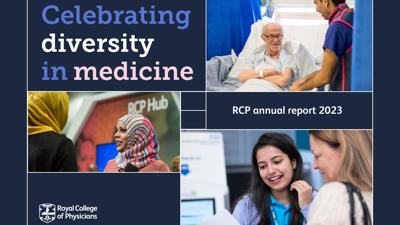
Our annual reports highlight our achievements, outline both our income and expenditure and include a brief review of our performance against our purpose and objectives.