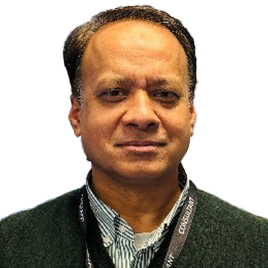

























In the latest of our Spotlight on local innovation series, Dr Shahid Nasim, RCP collegiate member, reflects on a decade of changes in ambulatory and same day emergency care in Southend on Sea, Essex.
This work was presented to the RCP president and other senior officers during the RCP college visit to Southend University Hospital in April 2025.
Here at Southend University Hospital, we’re proud of how far our ambulatory and same day emergency care service (SDEC) has come. When we began this work in 2014, we had a simple aim: to reduce unnecessary admissions while giving patients rapid access to the investigations and treatments they needed. Today, we routinely see between 60–100 patients a day – a scale none of us could have imagined at the start.
From the outset, we designed a model that would make it easy for patients to be seen in the right place, first time. Referrals flow in from GPs, NHS 111 and the Emergency Department, and we use a deliberate ‘pull and push’ approach – we actively bring appropriate patients from ED, while also accepting direct referrals. To support safe decision-making, our team developed clinical pathways and clearly agreed exclusion criteria.
One of the biggest enablers of the service has been expanding our diagnostic capacity. Regular access to CT, Doppler, echocardiography and lumbar puncture facilities means we can complete full assessments without delays. Close collaboration with radiology and specialty teams has been essential – the speed at which results come back now allows us to make same-day decisions for most of our patients. Virtual clinics have also become an important part of our model, enabling follow-up by phone or letter rather than bringing people back unnecessarily.
The impact on patients has been striking. Feedback consistently highlights how efficient and person-centred the service feels. Most importantly, many patients get to go home on the same day instead of waiting for a bed or spending hours in an overstretched Emergency Department. Our admission rate is now under 10% and conditions such as anaemia, chest pain and headache are often safely managed without an overnight stay.
Building the service has also transformed the learning environment for resident doctors. Instead of standing on ward rounds, they assess and manage acute presentations directly, under close consultant supervision. They gain hands-on experience with procedures such as lumbar punctures, have time for portfolio development and audits, and – crucially – they grow in confidence. I’ve seen a noticeable improvement in the quality of clinical decision-making, especially around safe discharge.
As patient numbers have grown, so too has the number of our specialist nurses and advanced clinical practitioners, who are now central to daily operations. At the same time, we’ve felt the pressure of workforce constraints, which has underscored the need for continued investment to prevent burnout and protect the sustainability of what we’ve built.
A defining feature of our success is what the unit is not: it is not a bedded area. By strictly excluding overnight admissions, we protect our identity as a rapid assessment and discharge service. Strong partnerships with urgent community response teams and primary care help keep patient flow moving, though we know there is more to do – particularly around evening transport and strengthening primary care engagement.
Overall, our SDEC unit shows what can happen when senior decision-making, multidisciplinary teamwork and a clear purpose come together. We’ve improved patient experience, reduced avoidable admissions and created a richer training environment for the next generation of physicians.
Your RCP membership, local to you
RCP visits are a vital part of our ongoing commitment to local engagement with our fellows and members across the UK.
Supported by our dedicated regional membership team, our 18 networks across England, Wales and Northern Ireland provide access to events, CPD, training and conferences close to home. These networks also create opportunities to connect with fellow physicians, external stakeholders and RCP officers.
Our regional advisers, college tutors and associate college tutors play a key role in ensuring that local issues are represented and addressed at a national level.
Dr Shahid Nasim
RCP collegiate member