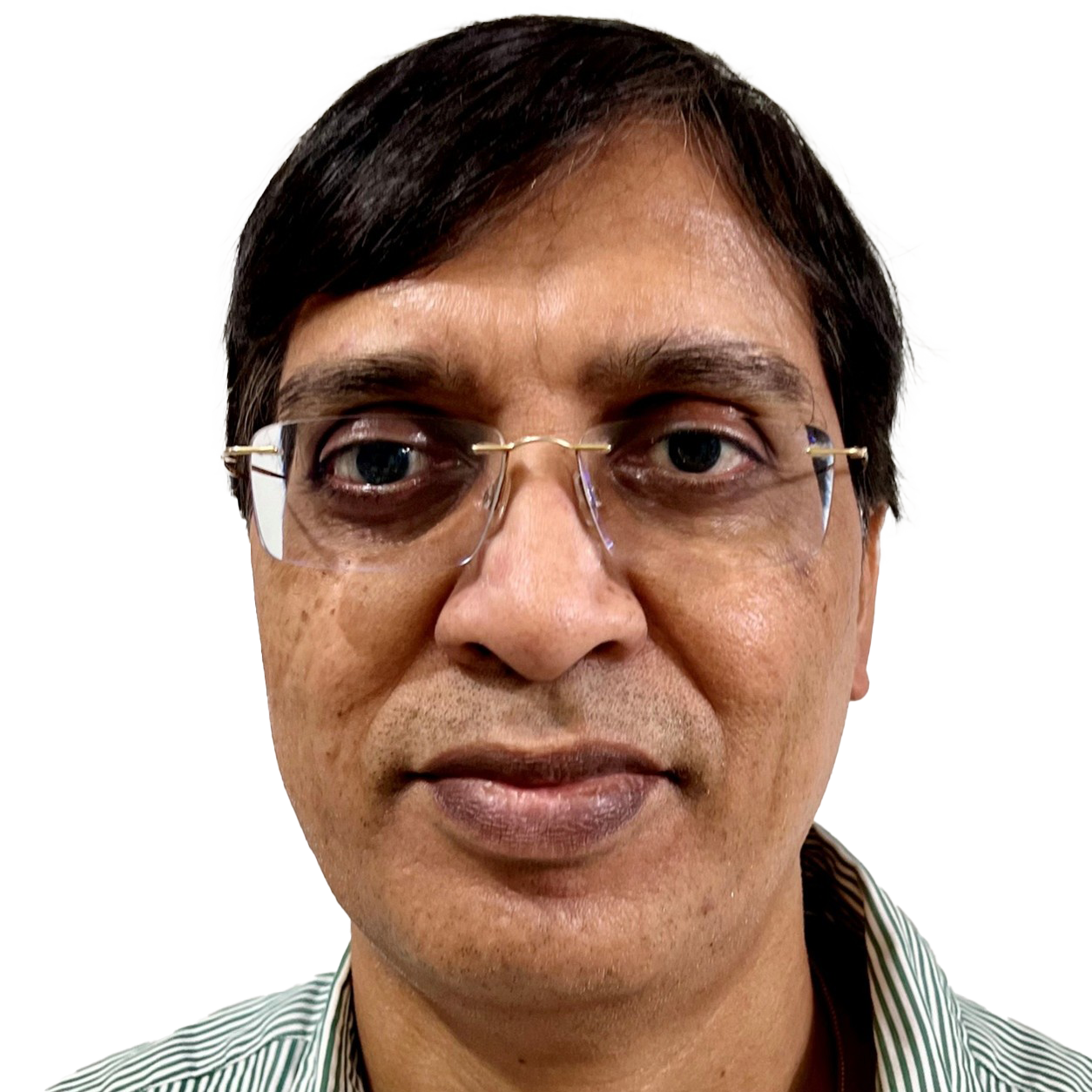

























Dr Nanda Kishore Nalla FRCP, consultant in acute medicine, associate director of medical education for locally employed doctors (LEDs) and lead for CESR (Certificate of Eligibility for Specialist Registration) programme in acute internal medicine (AIM), talked to us about Nottingham University Hospitals NHS Trust’s training programme for LEDs and portfolio pathway (formerly CESR) doctors.
He presented this work to the RCP president and senior officers at the RCP’s visit in October 2024.
When I first began working with locally employed doctors (LEDs) at Nottingham University Hospitals NHS Trust (NUH) over a decade ago, it was clear to me that our national training pathways lacked the flexibility that many talented colleagues needed. Too many were being discouraged from pursuing traditional training posts, and our trust was also wrestling with rota gaps, high agency spend and a constant recruitment burden on individual specialties.
‘If LEDs don’t secure their next post before their visa runs out, the consequences are devastating. We are dealing with highly skilled clinicians facing the possibility of having to leave the UK through no fault of their own. For many, returning home is not even possible because of conflict or political instability. The human cost of this insecurity is enormous.’
From the start, our philosophy was simple: LEDs should be considered as doctors in training. That principle from our 2018 LED strategy continues to guide everything that we do. We built a centralised recruitment system to identify vacancies early and align intakes with the training cycle, ensuring a consistent August start. This created stability for departments, reduced pressure on specialty teams and offered LEDs a more coherent developmental experience.
A comprehensive 4-day induction programme has been one of our biggest strengths. We focus not only on essential clinical skills – including prescribing, safe systems training and practical procedures – but also on the cultural orientation and communication that so many international colleagues need help with when arriving in the UK. By providing information on things like opening bank accounts and settling children into school, we try to remove avoidable stress, so that doctors can focus on learning and patient care.
Supervision and support are central to the programme. Each LED has an assigned supervisor and access to peer support via WhatsApp groups, as well as tailored teaching sessions. The 4–6-week supernumerary shadowing period has proved invaluable, allowing colleagues to integrate gradually before they join out-of-hours rotas and step into independent supervised practice.
We rotate LEDs across specialties every 4 months, matching placements to their preferences where possible – and I’m proud that 90% receive one of their top choices. We also give them 10 days of study leave and offer discounted practical skills courses to support their development, as well as access to Horus ePortfolio.
We ensured that all historical and new LED posts have been moved onto a new LED contract, which mimics the 2016 English resident doctor contract. Each LED is given access to the exception reporting system to raise any concerns in their workplace.
Career guidance is a major part of what we do. We run portfolio development sessions to help colleagues prepare for training applications or specialist roles. One of the most satisfying outcomes is seeing LED doctors progress into GP training, internal medicine training and other national programmes. Our return rate speaks volumes about the value of investing in this group.
Alongside the LED programme, I lead the acute internal medicine (AIM) portfolio pathway – formerly CESR – which offers a 4-year structured route mirroring AIM training and the internal medicine stage 2 curriculum. We select fellows through a formal application and interview process, ensuring that they have both the commitment and the potential to succeed. They rotate through ITU, geriatrics, cardiology, respiratory medicine and other key specialties, with close support, clinical supervision and opportunity to contribute to the senior registrar rota.
Each fellow has a dedicated educational supervisor for the entire programme – continuity that makes a real difference. Regional teaching sessions, specialty skills training such as point-of-care ultrasound and a full appraisal process equivalent to ARCP help to ensure that fellows progress towards specialist registration with confidence. Fellows receive £600 per year in study budget and 10 days of study leave, and are expected to participate fully in morbidity and mortality (M&M) and governance meetings. We also train them in their chosen special skill, such as acute oncology, patient safety, leadership or medical education, to support their development as rounded clinicians.
What needs to change?
- Study budgets for LEDs: many posts are historic and were never funded for development. Without national recognition of LED training needs, trusts are left patching gaps.
- Access to ITU experience: compulsory requirements for IMT do not align with the reality that ITUs across the country cannot absorb additional trainees. This creates barriers for LEDs working toward competency sign-off.
- Bureaucracy in the portfolio pathway: annual renewals and technical hurdles delay progress and increase anxiety. Streamlining this nationally would make an enormous difference.
- Consistency across the country: what we have built at NUH should not depend on local enthusiasm alone. Doctors deserve equitable experiences, regardless of where they work.
Of course, we still face challenges. Maintaining access to the ePortfolio requires annual renewal – a bureaucratic hurdle that can delay appraisals. We also continue to develop better support structures for residents with specific learning needs, including neurodiversity and additional supervision requirements. But acknowledging these issues openly is part of how we keep improving.
‘Doctors arrive in this country hopeful, ambitious and eager to contribute. With the right support, they flourish. Without it, we risk losing them to burnout or bureaucracy.’
Local training pathways are not second-best. They are becoming the backbone of the NHS medical workforce. But they need proper recognition, adequate resourcing and national standards if we want to harness their full potential.
Looking back, the success of both the LED and portfolio pathways has been driven by one belief – that every doctor deserves structured support, clear expectations and opportunities to grow.
‘Leading these programmes has been one of the most rewarding parts of my clinical career – and I’m determined to keep advocating for these doctors.’
Seeing colleagues progress into training, specialist posts and leadership roles reminds me why this work matters. And as we continue refining our programmes, I remain optimistic about what these pathways can offer the next generation of physicians.
Your RCP membership, local to you
RCP visits are a vital part of our ongoing commitment to local engagement with our fellows and members across the UK.
Supported by our dedicated regional membership team, our 18 regions across England, Wales and Northern Ireland provide access to events, CPD, training and conferences close to home. These regional networks also create opportunities to connect with fellow physicians, external stakeholders and RCP officers. Our regional advisers, college tutors and associate college tutors play a key role in ensuring that local issues are represented and addressed at a national level.
Dr Nanda Kishore Nalla FRCP
Consultant in acute medicine